12 hr
Rainbow Mountain & Red Valley Full-Day Trek from Cusco
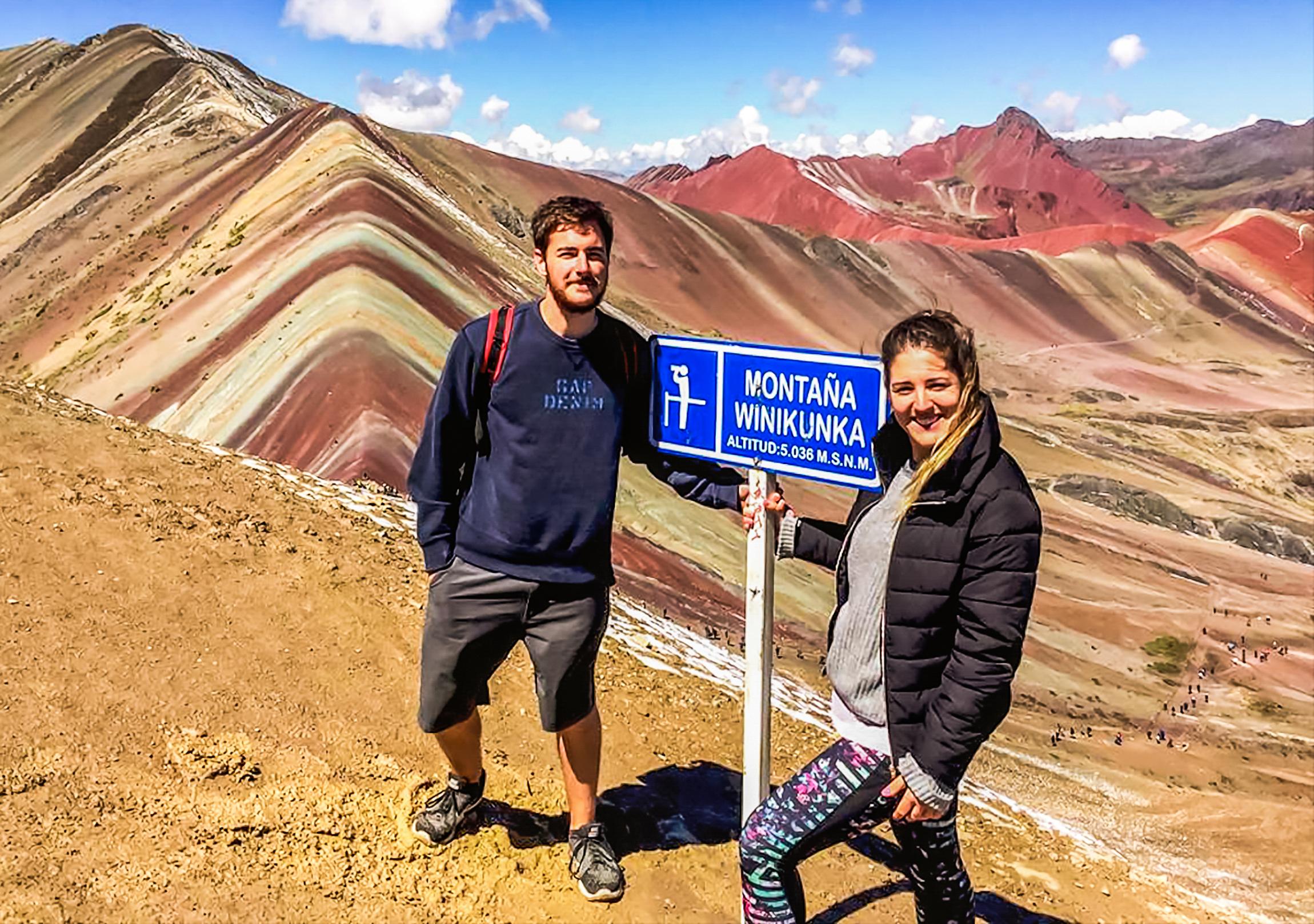
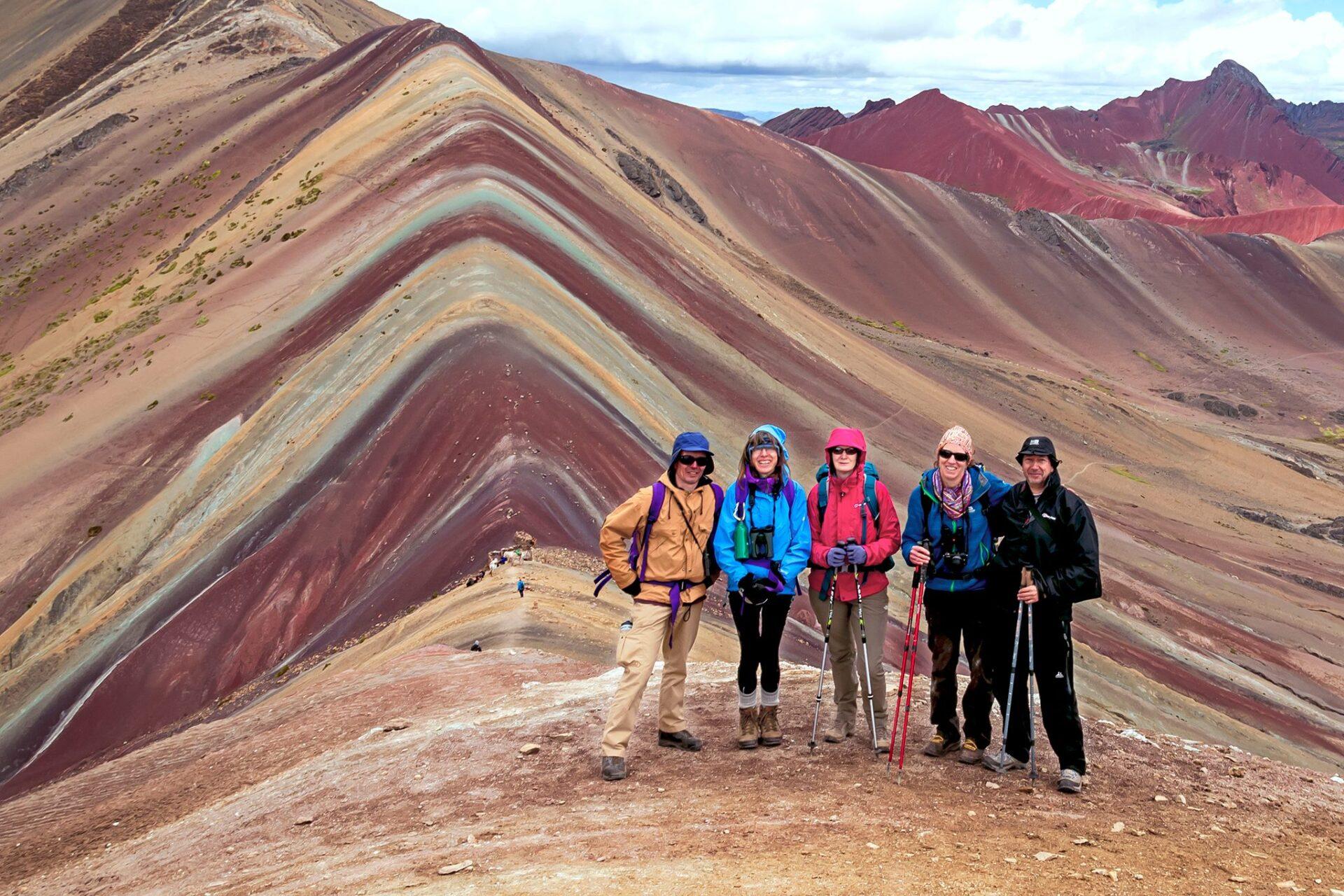
Trek to the iconic colored peaks of Vinicunca, spot Andean wildlife, and enjoy traditional meals on this all-day adventure.
Reserve
Sixth-century hermitage carved into sandstone cliffs, where silence stretches across two borders
Hand-picked by our editors — only the best 4 guided experiences from 11 reviewed.
Verified partners for David Gareja tours, free cancellation where available, and instant confirmation on every booking.
12 hr
Trek to the iconic colored peaks of Vinicunca, spot Andean wildlife, and enjoy traditional meals on this all-day adventure.
Reserve
12 hr
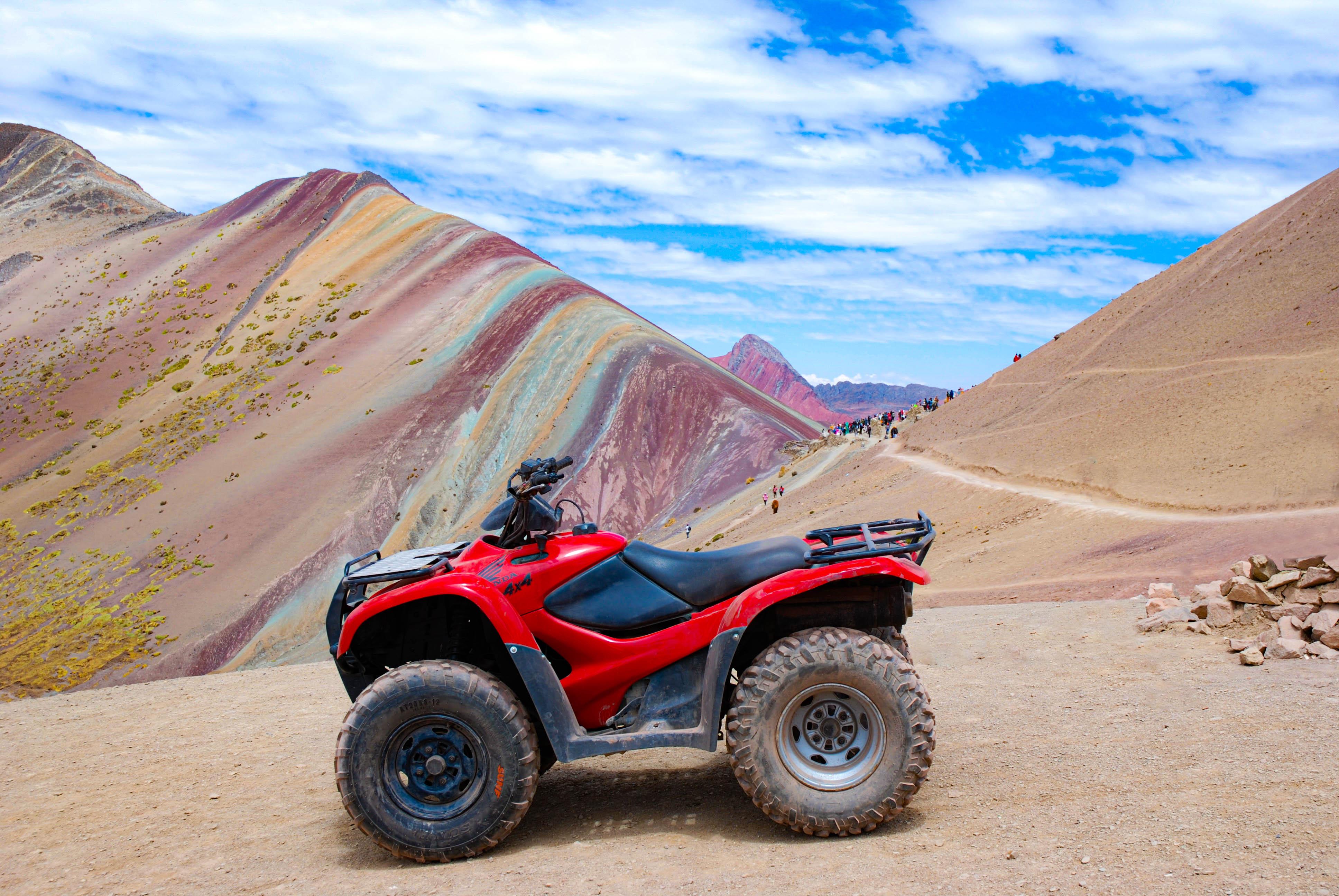
Ride an ATV through the Andes to reach the stunning multicolored peaks of Rainbow Mountain on this full-day excursion.
Reserve
14 hr
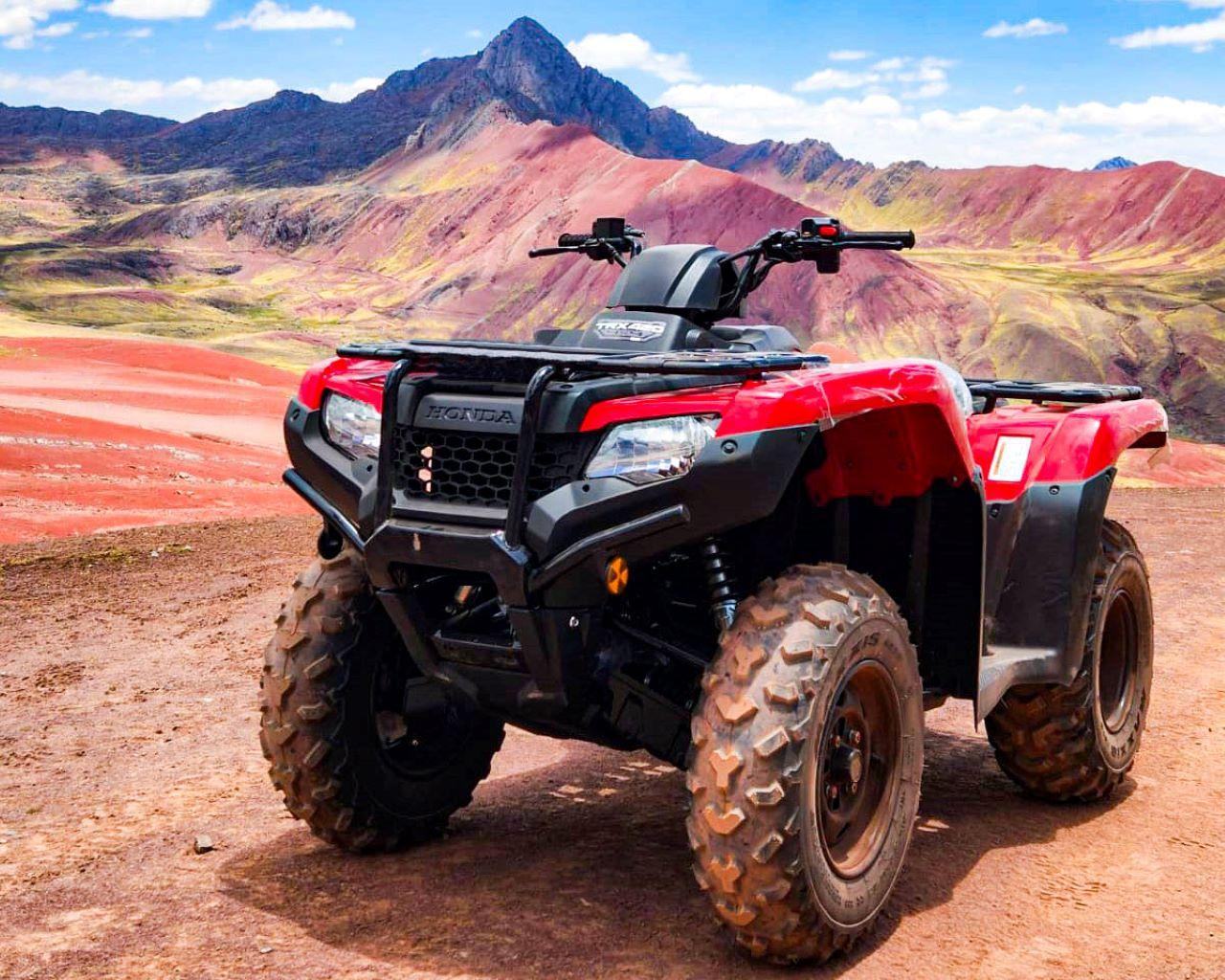
Ride ATVs through high-altitude Andean landscapes and hike to Peru's famous multicolored peaks
ReservePrices from verified partners. Availability updates in real time at checkout. Free cancellation policies apply where shown.
The landmarks, rooms, and views travelers on David Gareja tours remember — all visible on a single visit.
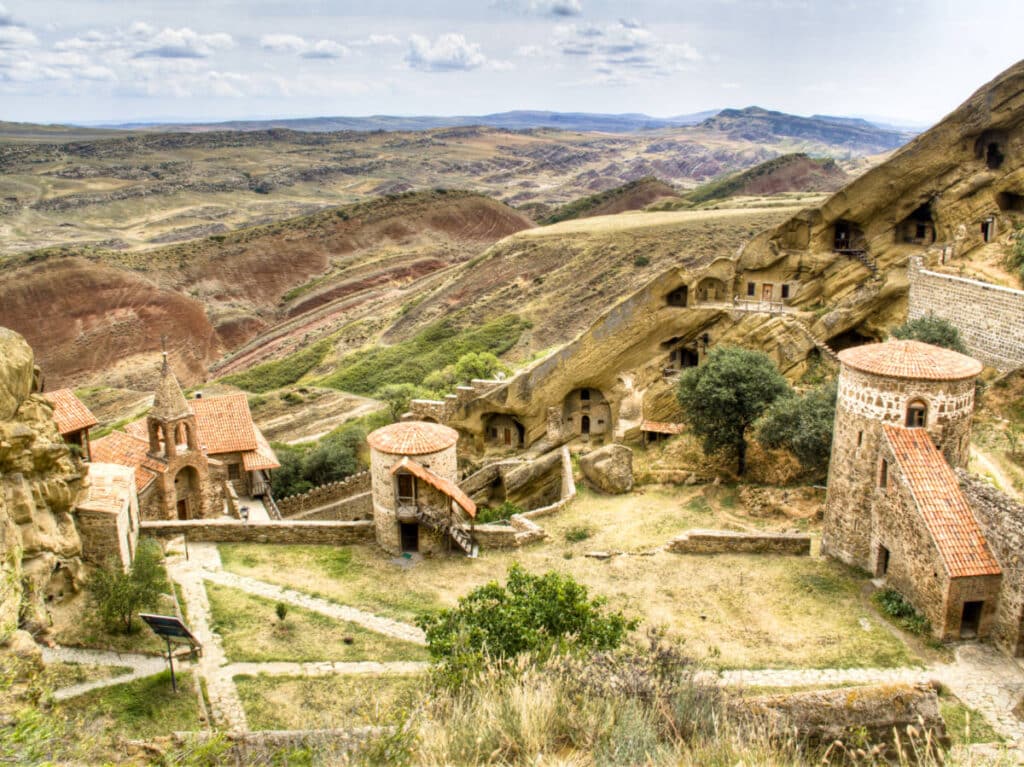
The oldest section founded in the 6th century, which remains an active monastery where monks reside today.
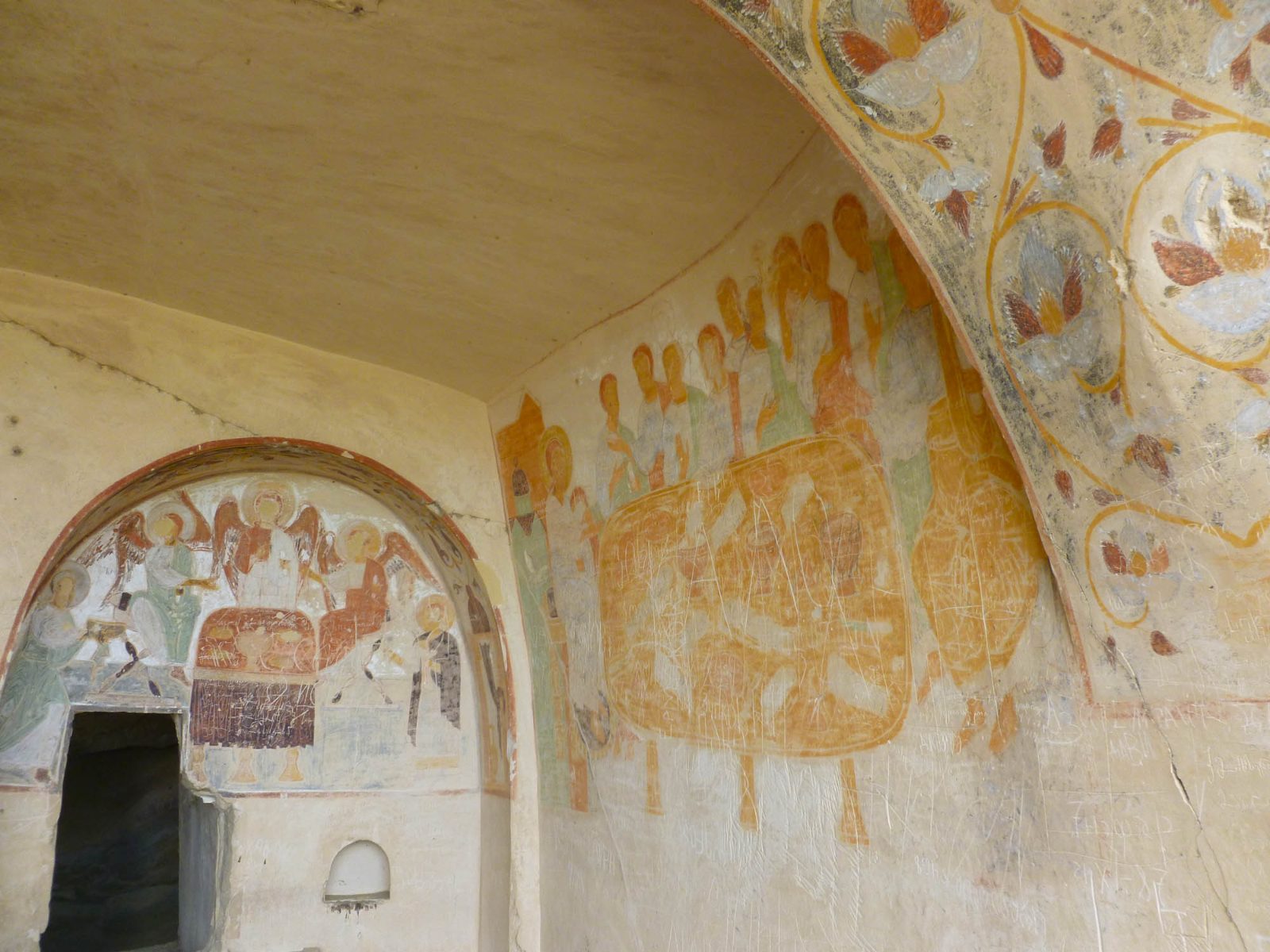
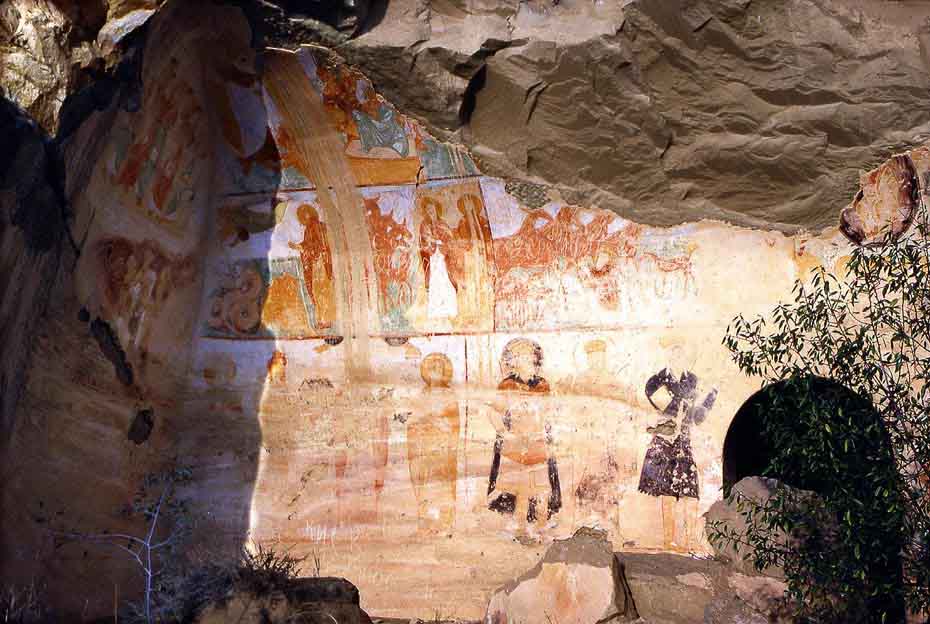
Famous 9th-century paintings featuring the Last Supper, preserved within the desert ridge caves.
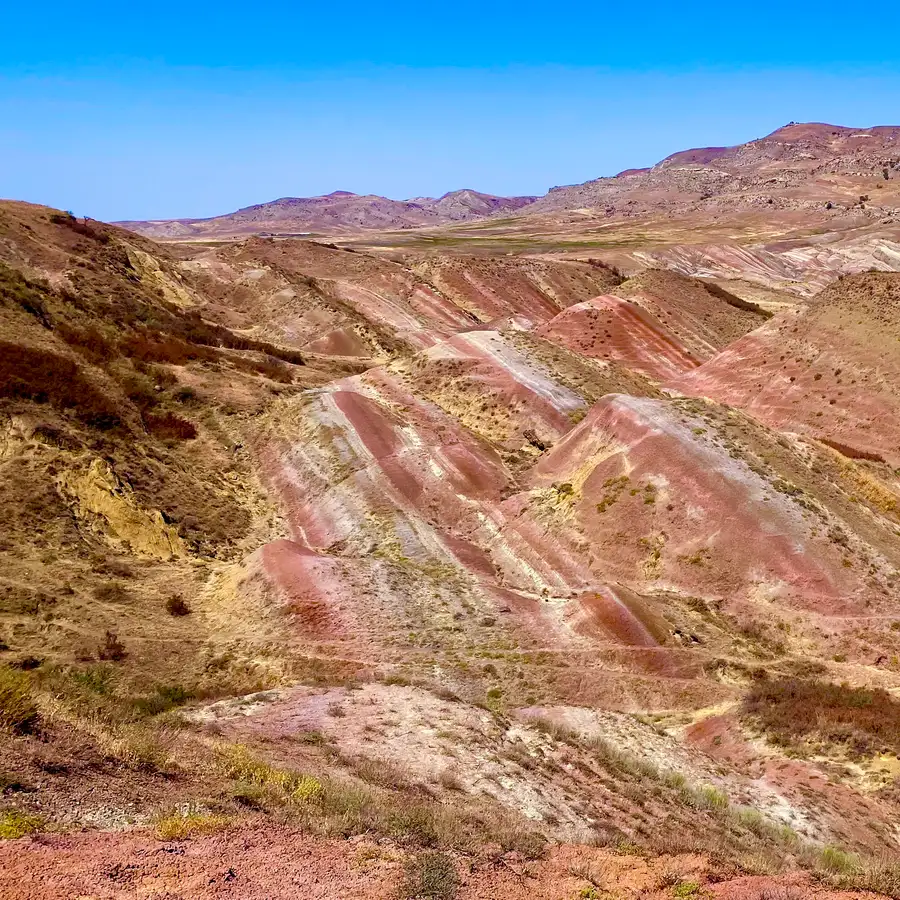
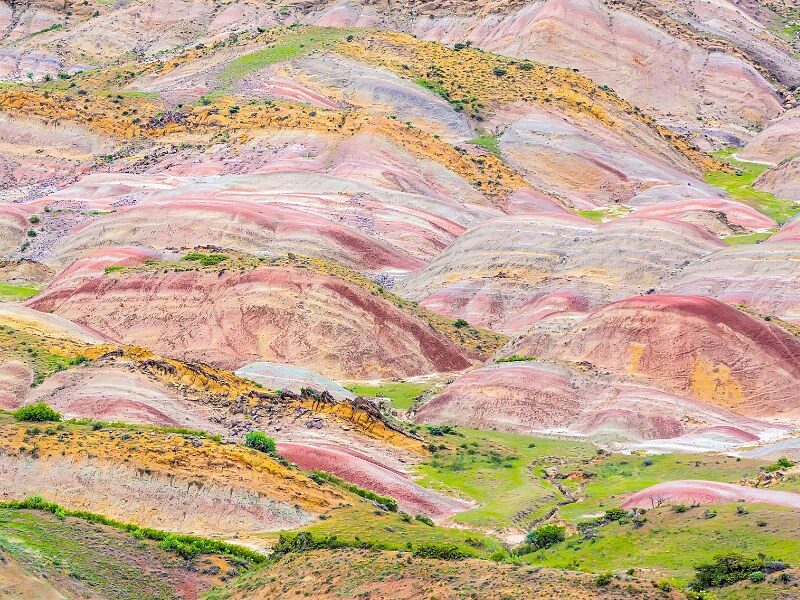
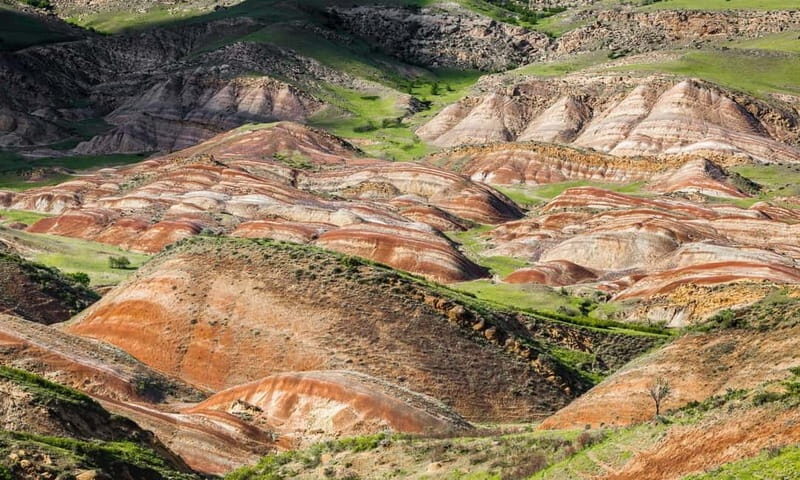
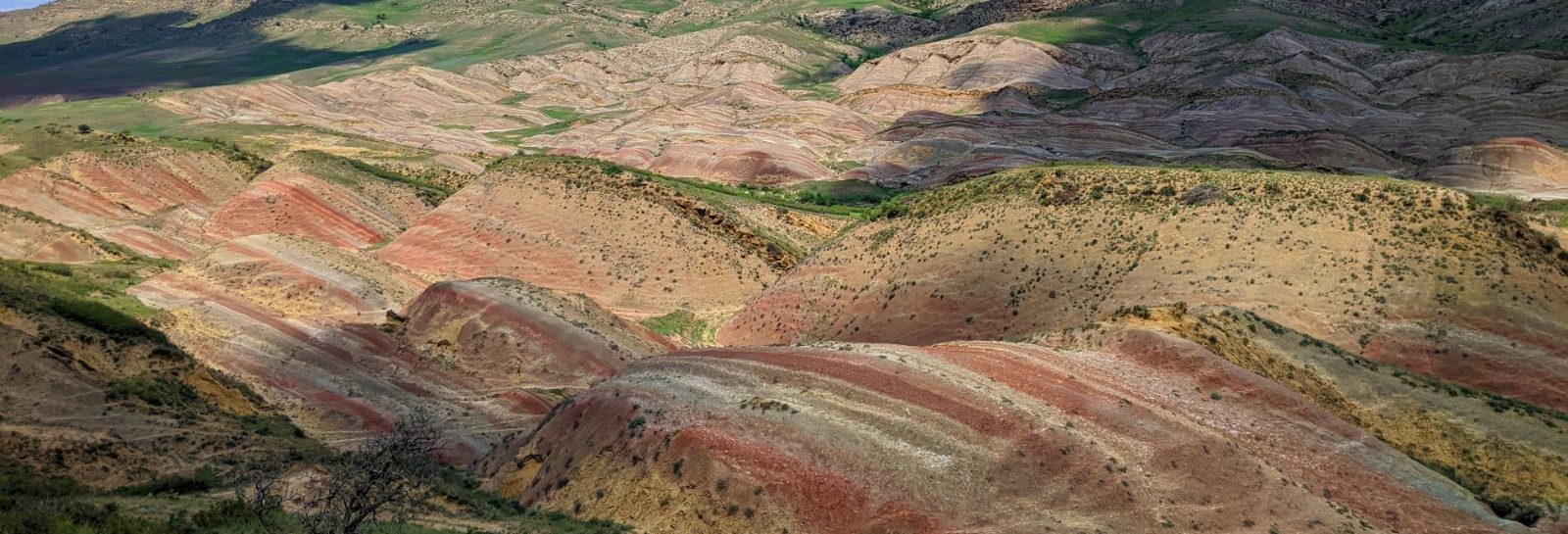
Stunning sedimentary rock layers displaying vibrant stripes, often included in the broader David Gareja tour experience.
A high-elevation path offering panoramic views into Azerbaijan and across the Georgian steppe.
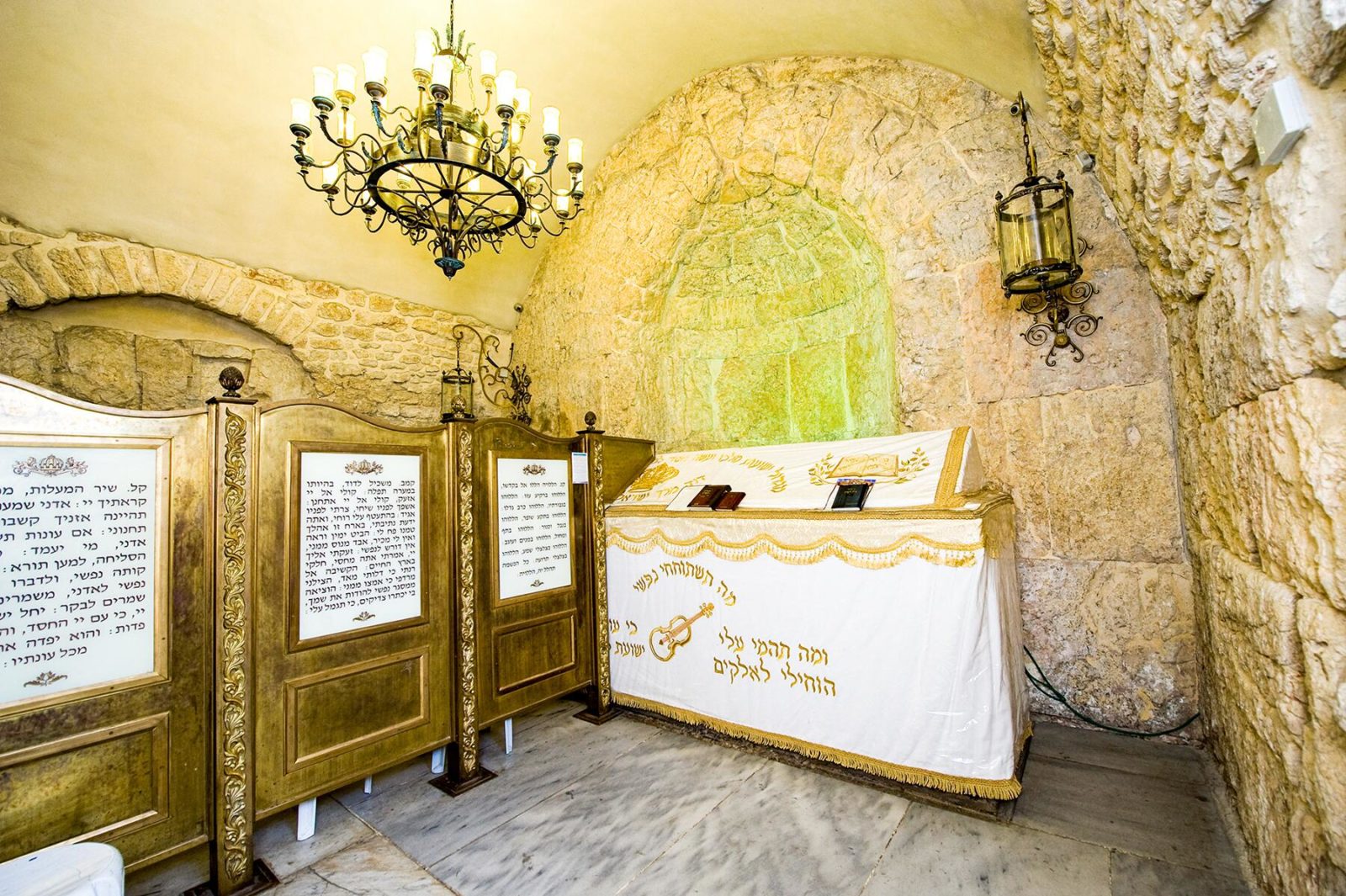
A sacred burial site located deep within the primary Lavra complex, significant for Orthodox pilgrims.
Every David Gareja tour side-by-side — duration, what's included, how you redeem.
| Experience | From | Duration | Rating | Pickup | Lunch | Skip-the-line | Price | |
|---|---|---|---|---|---|---|---|---|
|
Guided Experience Most popular
Rainbow Mountain & Red Valley Full-Day Trek from Cusco
|
Cusco | 12 hr | ★ 4.8 | ✓ | ✓ | ✓ | €20 | Book → |
|
Guided Experience
Vinicunca Rainbow Mountain ATV Adventure from Cusco
|
Cusco | 12 hr | ★ 4.6 | ✓ | ✓ | ✓ | €65 | Book → |
|
Guided Experience
Rainbow Mountain & Red Valley ATV Adventure from Cusco
|
Cusco | 14 hr | ★ 4.7 | ✓ | ✓ | ✓ | €59 | Book → |
All prices from verified partners. Availability and exact terms confirmed at checkout.
Vardzia is the superior choice for those seeking massive scale and history, while a david gareja tour offers a more solitary, rugged encounter with nature. They complement each other; most visitors who do both call Vardzia the more thrilling site to explore.
| Feature | Top pick David Gareja | Vardzia |
|---|---|---|
Landscape context |
Semi-desert steppe | River valley cliffside |
Ease of access from Tbilisi |
2.5–3 hours by car | 4–5 hours by car |
Monastic activity levels |
Low (isolated) | Moderate (active monks) |
Hiking intensity |
Moderate uphill climbs | High (many steep stairs) |
Visual style |
Rainbow-colored rock layers | Expansive cave city complex |
david gareja tour tickets |
Free entry (donations) | Paid entry (varies) |
| See tickets → |
Verdict: Select your david gareja tour tour for quiet desert landscapes, or opt for Vardzia to experience the architectural grandeur of a multi-level cave city.
Choose your ticket, select your date, and reserve in under two minutes. Secure checkout handled by our verified partner.
Instant confirmation by email, with a mobile voucher you can save offline. No printing, no queuing at a collection desk.
Arrive at the entrance, show your voucher on your phone, and walk in. Most tickets include priority or skip-the-line access.
Practical details for David Gareja tickets straight from our verified partners — hours, access, rules, and how to get there.
Tbilisi Metro
Standard departure point for most transport services.
Open in Google MapsFollow signs from Tbilisi toward Sagarejo and then Udabno; 4WD is recommended for final stretches.
Private hire from Tbilisi provides the most flexible schedule and direct access.
Modest attire is required for the David Gareja monastery area. Both men and women should ensure their shoulders and knees are covered when entering religious structures.
There are no formal bag checks, but you are responsible for your own belongings. Security personnel may be present near the border zone.
Photography is permitted in most outdoor areas, but please respect signs inside cave churches. Do not use flash inside the ancient chapels.
The site is not suitable for wheelchair users or those with limited mobility due to steep, uneven, and unpaved terrain. Sturdy footwear is highly recommended for all visitors.
Mobile phones are permitted. Keep ringer off inside exhibition spaces.
The area is generally suitable for older children who are comfortable with light trekking. It is not recommended for toddlers or those requiring strollers.
No food vendors are inside the complex, so bring adequate water and supplies. There are small, limited-service cafes available in the nearby Udabno village.
Pets are not allowed, with the exception of service animals with appropriate documentation.
Last entry is typically 1 hour before closing. Check the specific ticket for timing.
Best time to go, insider tips, nearby landmarks, and the cancellation fine print — flip through to skim what matters to you.
How crowds, weather, and events shift across the year.
Mild temperatures make the hike pleasant and wildflowers are in bloom.
Hot and exposed; strictly follow the 07:00 arrival window to avoid heat exhaustion.
Comfortable weather for trekking and exploring the cave architecture.
Cold and potentially windy, but the site remains quiet.
Small details that turn a good visit into a great one.
Bring more water than you think you need, especially in summer.
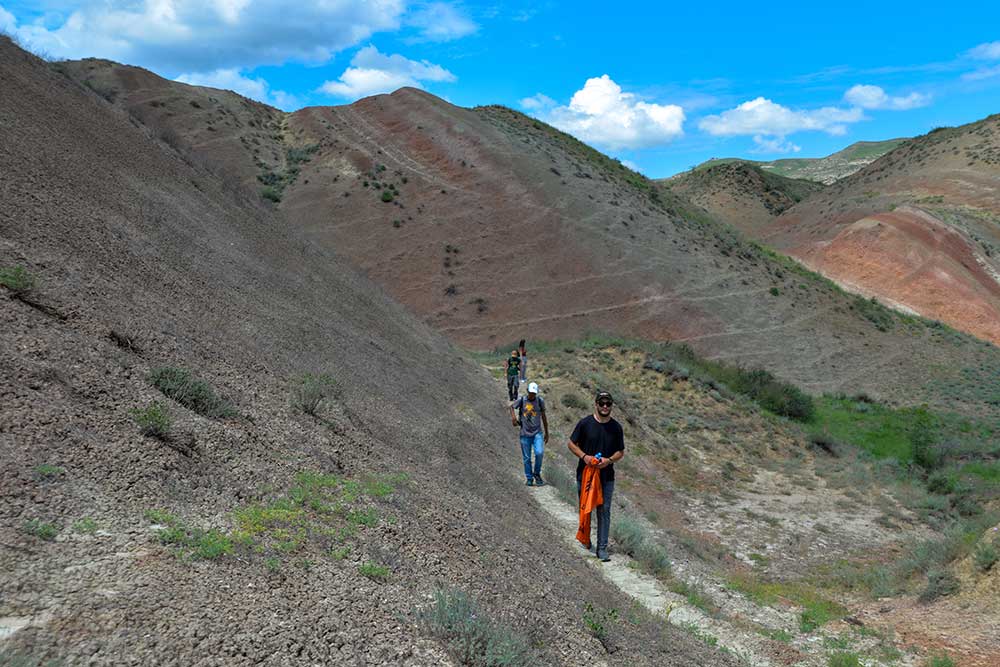
Avoid sandals; the loose, sandy stone trails require proper grip.
Stay on marked paths; the area lies directly on the border with Azerbaijan.
Arrive between 07:00–10:00 to beat the heat and bus crowds.
Watch for local snakes in the grass near cave entrances.
Use a flashlight or torch to better view the ancient wall paintings.
Non-bookable sights within a short walk — free to visit, easy to pair.
The primary 6th-century site featuring active monastic life.
Renowned for ancient frescoes located on the ridge.
Geological formations known for their vibrant colored sediment.
A tranquil spot ideal for photography before reaching the caves.
Flexible, no hidden fees.
Full refunds are typically provided for cancellations made 24 hours in advance. Entrance to the site itself is 0 GEL.
Hand-picked options within walking distance — pick a district for vibe, or a specific hotel for convenience.
Small, locally-run lodging providing authentic desert stays.
Centralized lodging within the larger municipality.
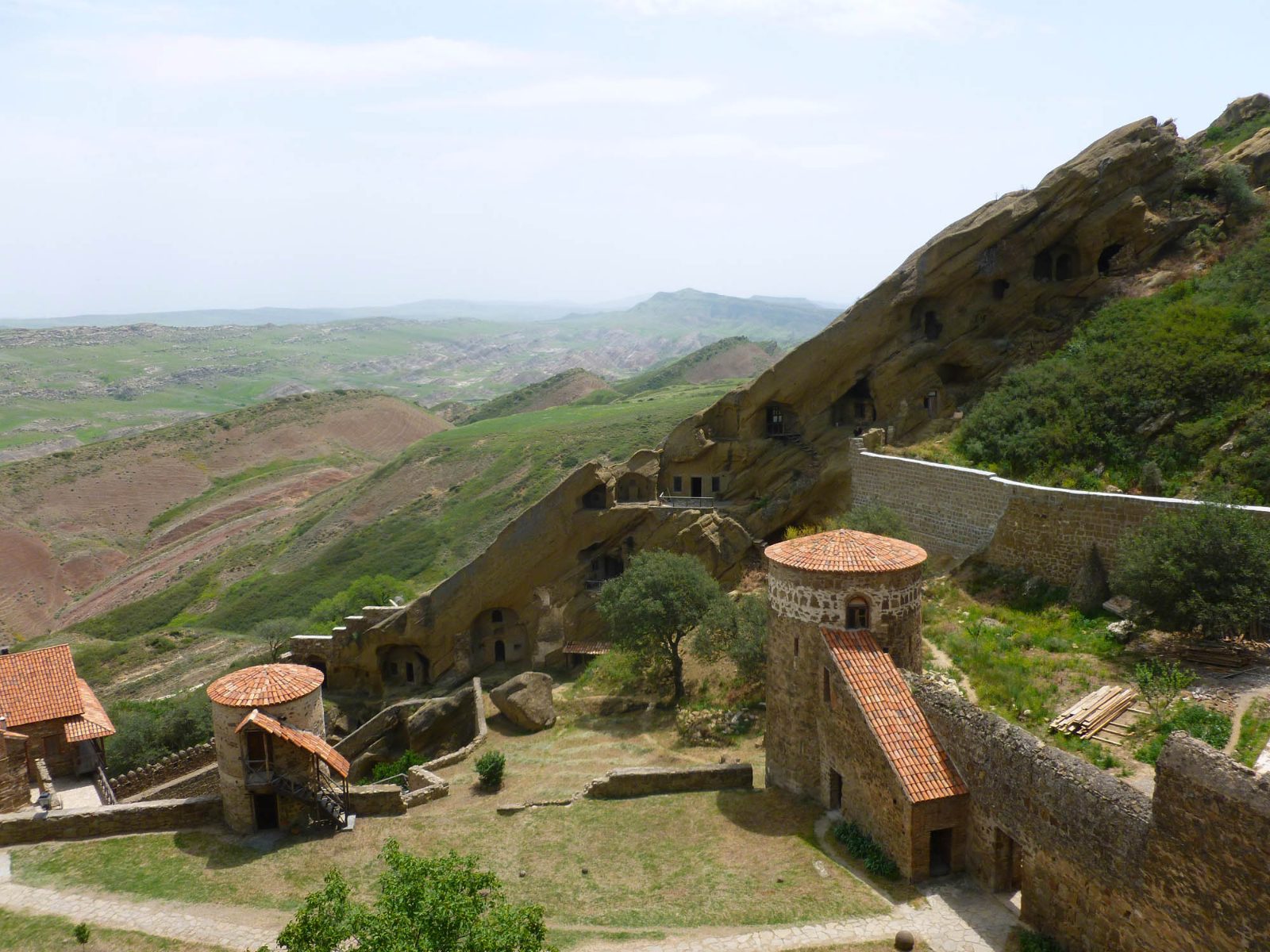
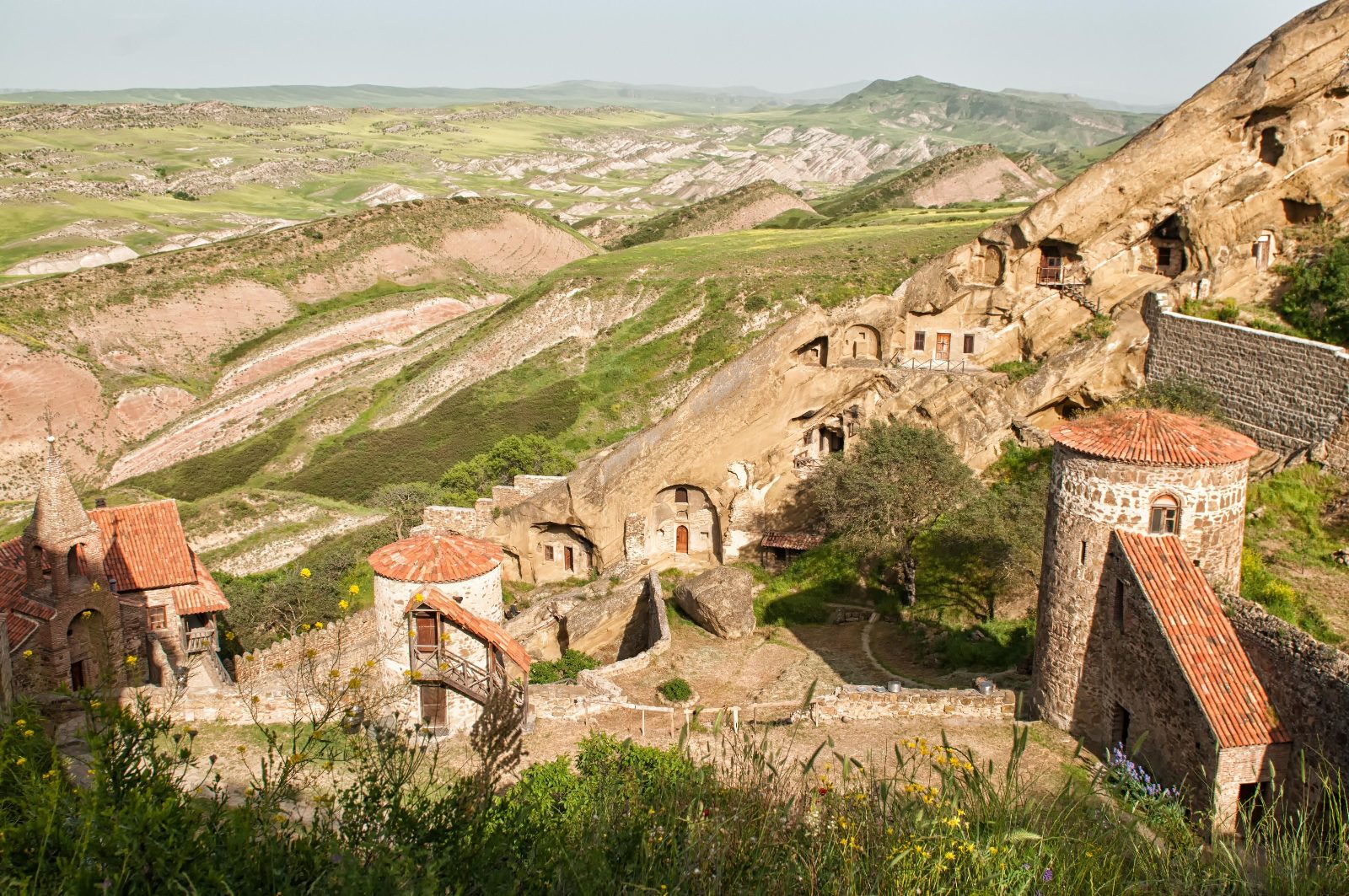
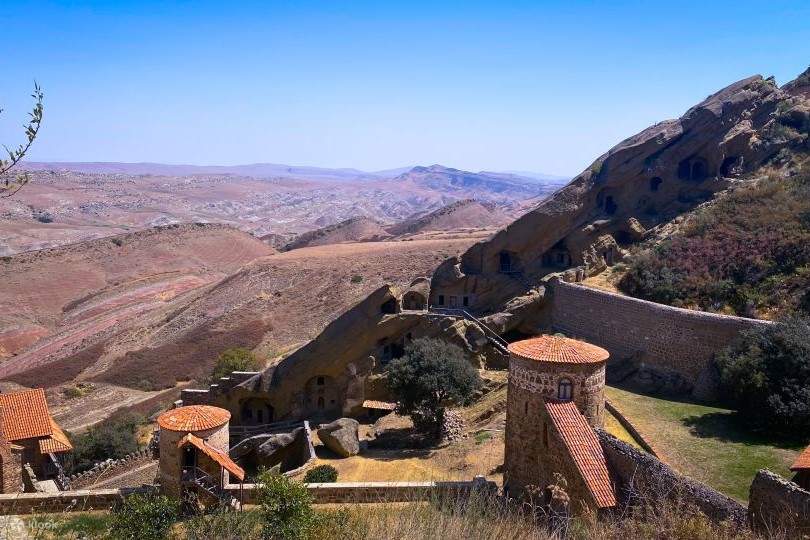
David Gareja occupies a sandstone ridge where Georgia meets Azerbaijan, seventy kilometers southeast of Tbilisi in the semi-arid steppe of Kakheti.
Founded in the sixth century by the Syrian monk David Garejeli, one of thirteen Assyrian fathers credited with spreading Christianity across the Caucasus, the complex grew into a network of nineteen monasteries housing as many as six thousand monks by the thirteenth century. The main ensemble spans two territories: Lavra monastery sits on the Georgian slope, while Udabno monastery straddles the unmarked frontier, its frescoed caves visible from both nations.
The site survived Mongol raids, Persian campaigns, and Soviet abandonment. Soviet artillery used the frescoes for target practice during the 1980s, leaving bullet scars across ninth-century portraits of Christ and the Virgin. After independence in 1991, Georgian and Azerbaijani border negotiations left the status of several cave clusters unresolved. Monks returned to Lavra in the mid-1990s, restoring cells and liturgical routines interrupted for seventy years. The ridge remains a pilgrimage destination during Orthodox festivals, when processions climb the switchback trail at dawn.
Lavra monastery preserves refectory halls, a bell tower rebuilt in the nineteenth century, and the cave tomb of Saint David, marked by a stone slab and perpetual candles. A steep ascent from Lavra leads to Udabno, where rock-cut chambers display frescoes dated between the ninth and thirteenth centuries. Pigments derived from ochre, malachite, and charcoal depict biblical scenes and donor portraits of Georgian royalty. The iconography follows Byzantine conventions, with elongated figures and gold-leaf halos, though local artisans introduced Caucasian facial features and costumes. The trail between monasteries crosses exposed ridges where griffin vultures nest and steppe grass bends under dry winds. Summer temperatures exceed thirty-eight degrees Celsius; winter fog obscures the trail markers.
The landscape surrounding the monasteries forms part of the Iori Plateau, a transition zone between the Caucasus foothills and the Shiraki Plain. Erosion has carved the soft rock into badlands, creating formations that shift color from ochre to violet depending on sunlight and season. The ecology supports sparse vegetation: wild almond, feather grass, and endemic species adapted to alkaline soil. Shepherds graze flocks on the plateau during spring, following transhumance routes unchanged since medieval times. The absence of paved roads and commercial infrastructure has preserved the site's remoteness, though visitor numbers have increased since tour operators began offering day trips from Tbilisi in the early 2000s.

"Soviet artillery used the frescoes for target practice during the 1980s, leaving bullet scars across ninth-century portraits of Christ and the Virgin."
A step-by-step walkthrough of David Gareja tickets — what you'll see, how long each stage takes, and the details that matter.
You arrive at Gareji Hill in early morning, when shadows still cling to the eastern cliffs. The parking area sits at the base of Lavra monastery, where a cobblestone path leads through an arched gate into the courtyard.
Stone walls enclose dormitory buildings and a small chapel; monks in black robes move between cells, their footsteps audible in the stillness. You enter the cave tomb of Saint David, a low chamber lit by votive candles, the air cool and smelling faintly of incense. A narrow slot in the rock frames a view of the desert below.
The trail to Udabno begins behind the bell tower, a switchback climb marked by cairns and painted arrows. You ascend through loose scree, pausing at overlooks where the Iori Plateau stretches to the horizon, ribbed and colorless under the mid-morning glare. At the ridge crest, you cross into the border zone, following a path that skirts the cliff edge. The first cave chambers appear as dark rectangles in the rock face. You step into the nave of Udabno church, where frescoes cover every surface: apostles in ochre robes, royal donors in pointed hats, geometric borders framing each scene. Bullet holes puncture several panels. Light enters through a single window, casting a wedge of brightness across the stone floor. You continue deeper into the complex, passing cells once occupied by hermits, their walls blackened by centuries of candle smoke.
The complex is open 00:00–23:59 daily, though the best arrival window is 07:00–10:00.
No, the entrance fee is 0 GEL (donations are appreciated).
Yes, though children should be able to manage moderate, rugged hiking.
Yes, bring your own supplies as there are no food vendors inside the complex.
The best time for a David Gareja tour is early morning between 07:00–10:00 to avoid heat and crowds.
Yes, photography is allowed, but please be respectful in religious areas and do not use flash.
You can reach the David Gareja location by private car, taxi, or specialized tour services from Tbilisi.
Yes, you must keep your shoulders and knees covered when entering the David Gareja churches.
Commonly prohibited items include drones, weapons, and any items that could damage the cave environment.